Opens on the streaming service. Availability and pricing vary by region.
ABOUT THE FILM
Synopsis.
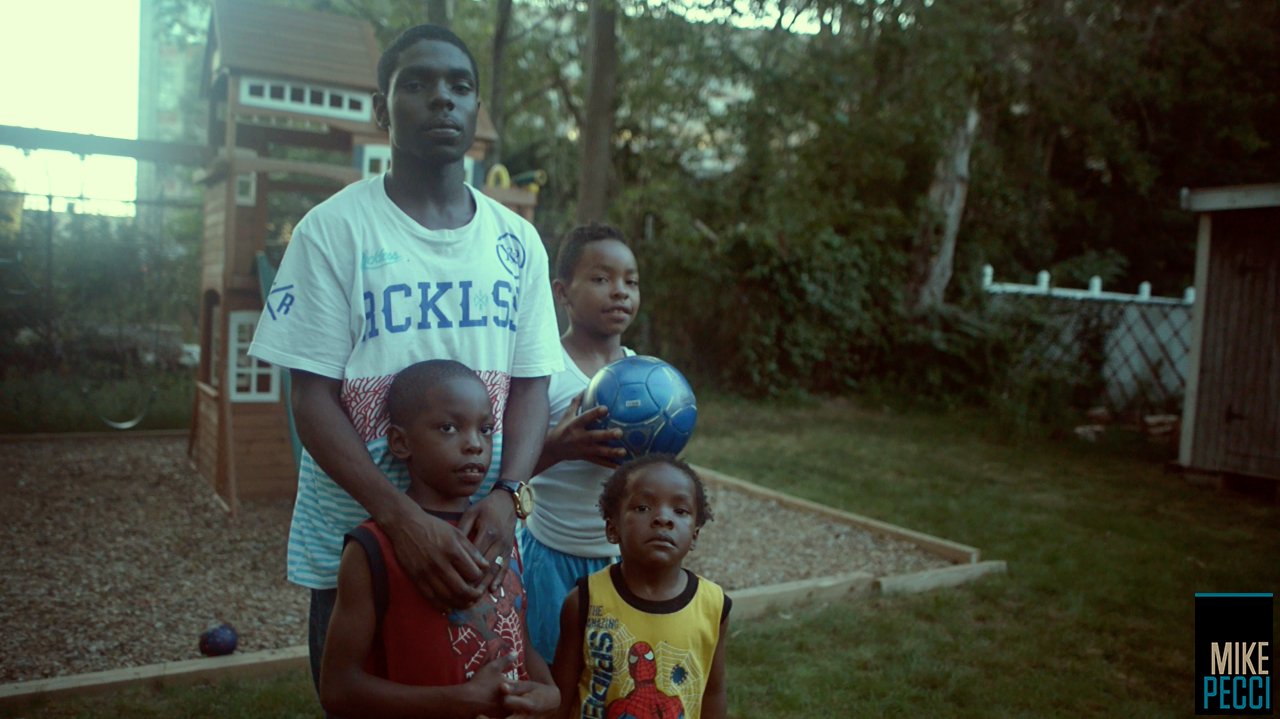
The Emmy nominated and award-winning documentary film This Ain’t Normal lasers in on this national tragedy, introducing five young men, Dequan, Jordan, Niko, Joe, and Trey Pound, each with wrenching histories, and a proven Boston intervention model to help these endangered youngsters exit gangs. The street mentors reveal their own stories of gang life, jail, trauma. With the street cred to win their young proteges’ trust, they redirect these youths to education, job training, and counseling. The take-away? As disastrous as gang violence is across U.S. cities, This Ain’t Normal unveils a solution, one that can lower the toll of jail terms and homicides and help inner city youth survive and thrive. Given the intensity of anguish and redemption here, the Boston Globe called This Ain’t Normal “raw and potent.” The GRIO said it “journeys the transformation of young gang members,” and renowned Pulitzer-nominated Harvard University psychologist Steven Pinker called it “gripping, heart-breaking, inspiring.”
FILM STILLS
Shooting under the gun.
by cinematographer Mike Pecci
As the cinematographer for a documentary, being able to think creatively during high stress situations is key. This means doing your homework. Making a visual rulebook for the film that keeps you focused and gives you the ammunition to say no to a desperate director and sell them on something even better. You will be trying to find the best shot under the tightest time constraints, and you can’t be afraid to be constantly searching, constantly tweaking, to make the film better.
It’s 7:00PM on a random Tuesday in the middle of a bitter New England October. Our tiny film crew is jammed into a cramped storefront, which at first glance looks like it should be condemned, but as it turns out makes some of the best Jamaican food in the city. The team, covered in layers of wool socks, long underwear and fingerless gloves, searches for the courage to go back into the freezing temperatures. Rudy Hypolite, the director, bursts into the room. “I know this isn’t part of the plan, but we have a chance to interview one of the street workers right now. This is our only chance. Can we do it here?”
I nervously look around the storefront. Every angle is terrible for camera, the sounds of the kitchen is bad for sound, and honestly it looked just plain boring. I grab our handler, a local to the neighborhood who keeps us from getting into bad situations, and burst out onto the busy night street. Dorchester Avenue is bustling and jammed with after-work traffic and screaming cop cars. Nights in Boston go pitch black this time of year, so any exterior shots require a practical source like a street light or maybe the neon glow from the barber shop down the street. “That shop is owned by my cousin”, says the handler. I look at Rudy and ask “How long do I have?” Thirty minutes till we roll camera! I put my radio earpiece in my ear and start barking gear orders to my crew as we run two blocks down the street and burst into this busy barbershop. As I push into the shop I am greeted by a group of regulars staring at me questionably. “He’s not a cop!” says my handler and the whole place lets out a sigh of relief. He then focuses on convincing his cousin to let us shoot in the shop as I scour the location for shots. I mentally pull up our visual rulebook and run through my checklist.
· No glamorizing the life.
· No slow motion.
· The interview master needs to be from the third person perspective.
· The coverage will be an extremely tight close-up
· The location must be as big of a character as the interviewee
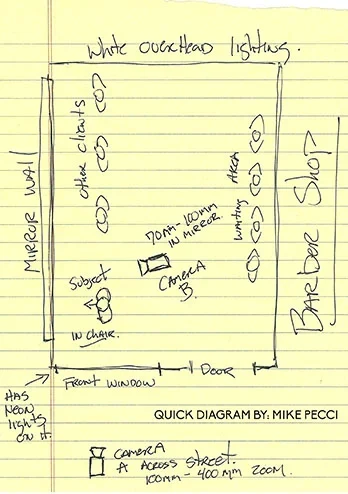
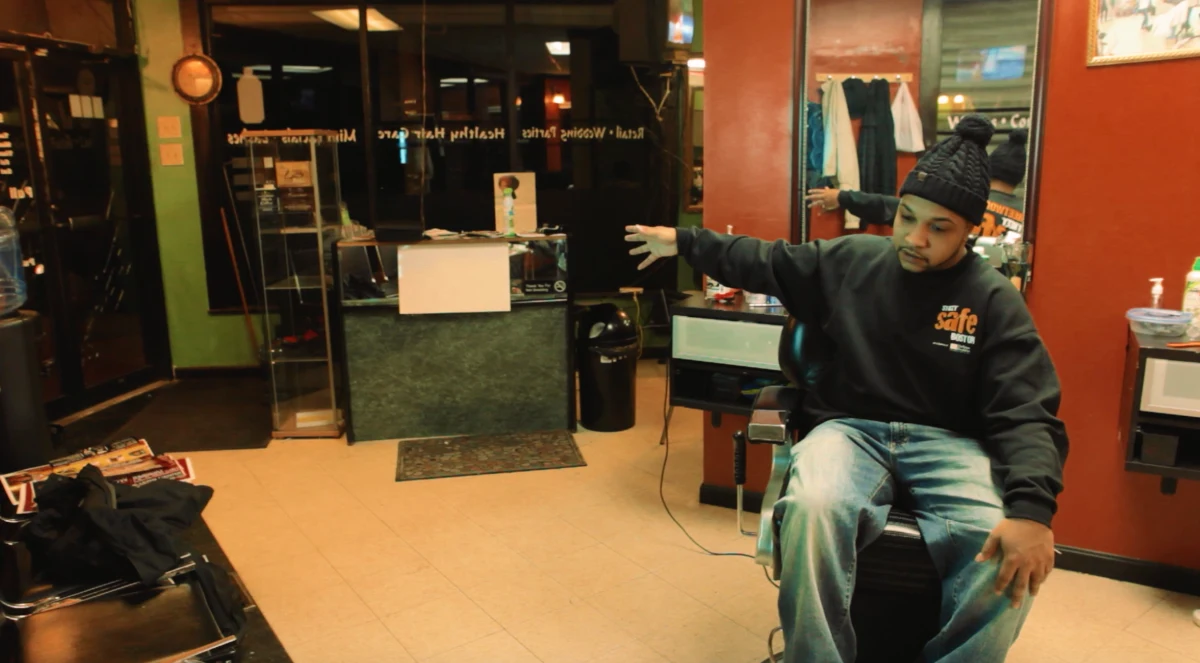
The trick is finding a place with enough room for both cameras that will be shooting with telephoto zoom lenses. I also need room to hide lights from each shot. My first thought is that I could sit him in this chair in front of this window and shoot from outside across the street and the image below is the final result.
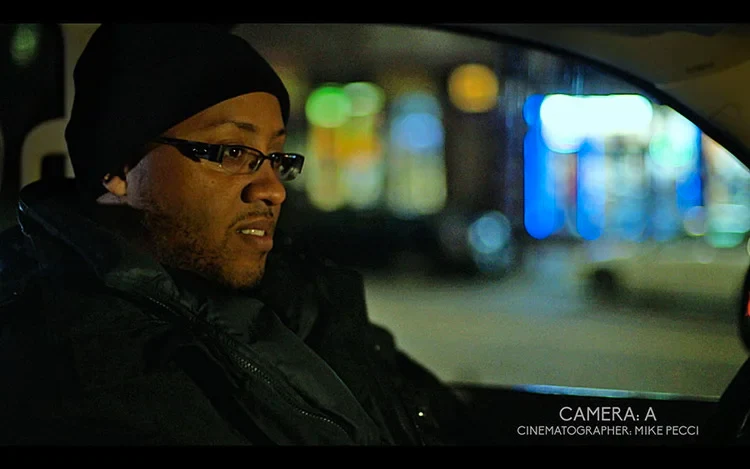
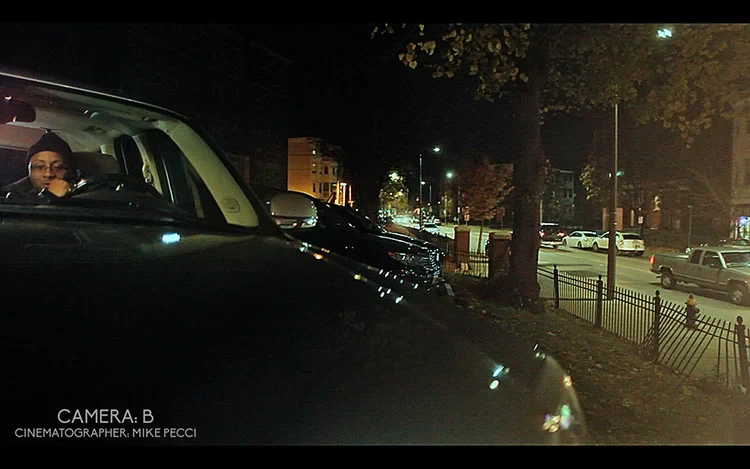
Next, I need a spot that is quiet, immersed in the neighborhood, and looks cool. What does our subject do? He is a street worker. He drives around and patrols his streets all night. Oh wait! In a car! The production cars are parked on a slightly elevated hill under a light in the church parking lot across the street. If I park it at the right angle I can see all the headlights, red taillights, and storefront out of focus behind the subject. It’s perfect! I start redirecting the crew over radio as we run across two lanes of blaring traffic horns. We have found our spot!
The countdown clock begins; We have 20 minutes till we roll.
Our camera operator Anthony Jarvis and assistant Tony Fernandez start pulling out the camera rigs. The camera kit includes:
· A Canon C300 (Camera A) that we have tweaked the color and gamma setting on for night shooting.
· A Canon 5D (Camera B) that we use for coverage and have built out for quick handheld situations.
· Canon 100mm – 400mm
· Canon 70mm – 200mm
· 1 kit of various wide and portrait lenses
· Heavy duty tripods.
Camera A’s setup is going to be a profile shot through the passenger widow of the subject talking to the interviewer (in the back seat) through the rear view mirror. The windows in the truck will have to be up to both help with sound but to also drive home this “third person perspective” that we designed for the film. We will through the 70mm to 200mm lens on it so that the operator can zoom and change up the shots slightly for the edit in between questions. It’s important to think not just about the images, but also understand how a scene can be edited when shooting a doc like this. We use the C300 because that shot requires a more sensitive sensor on the camera, so we crank up the ISO to get a great exposure of the traffic and street life in the background. The C300 is amazing in low light situations and its noise reduction feature really helps you control image noise when shooting in the darkest situations. The shot also needed as much light as possible because I constantly want to shoot at higher shutter speeds to get rid of the annoying ghosting that video tends to have.
Camera B, with a 24mm wide lens, will be nestled right at the bottom of the truck hood shooting through the windshield. Tony finds an angle that frames the subject wide and at the left side of the frame. This keeps the interviewer out of the shot and includes the traffic on the street. The 5D picture settings have been tweaked to match the C300 as closely as possible. I’ve never been a fan of the 5D, I feel like it’s clunky, the menus are annoying and it still stops recording after 12 minutes. I would normally choose the Nikon D800 but we wanted to match Cannon with Cannon. Looking at the rough shot with a calibrated field monitor from Ikan showed that it would require more fill light from this angle, which is fine because it would act as a stronger edge light for the primary shot.
We were lit! All running on battery!
The main shot is gorgeous with stunning out of focus plumes of white and red lights (and frequent flashing police strobe) from the traffic. The second shot places our subject in the world that supported his story.
The interview was amazing because our subject felt comfortable enough to get lost in a story about his childhood and his mother. Keeping the crew outside the car was the perfect situation for the interviewer and subject to focus. The camera crew had their eyes locked on our IKAN monitors the whole time, entranced by the night lighting and random flares. I was proud that we were able to pull it off - scouting, conceiving two camera shots and lighting - in 30 minutes!
That’s documentary film-making!
THE PEOPLE BEHIND THE STORY.
Meet the crew.
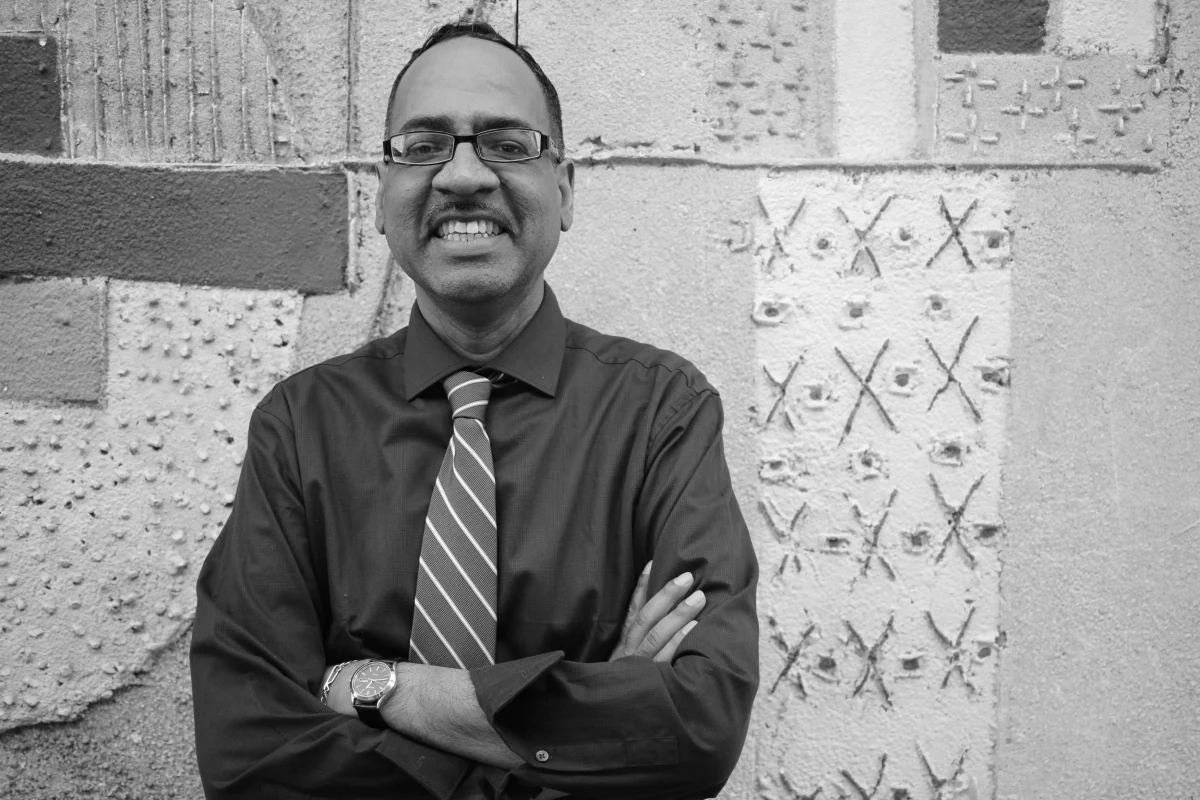
Rudy Hypolite
Producer/Director
Read biography
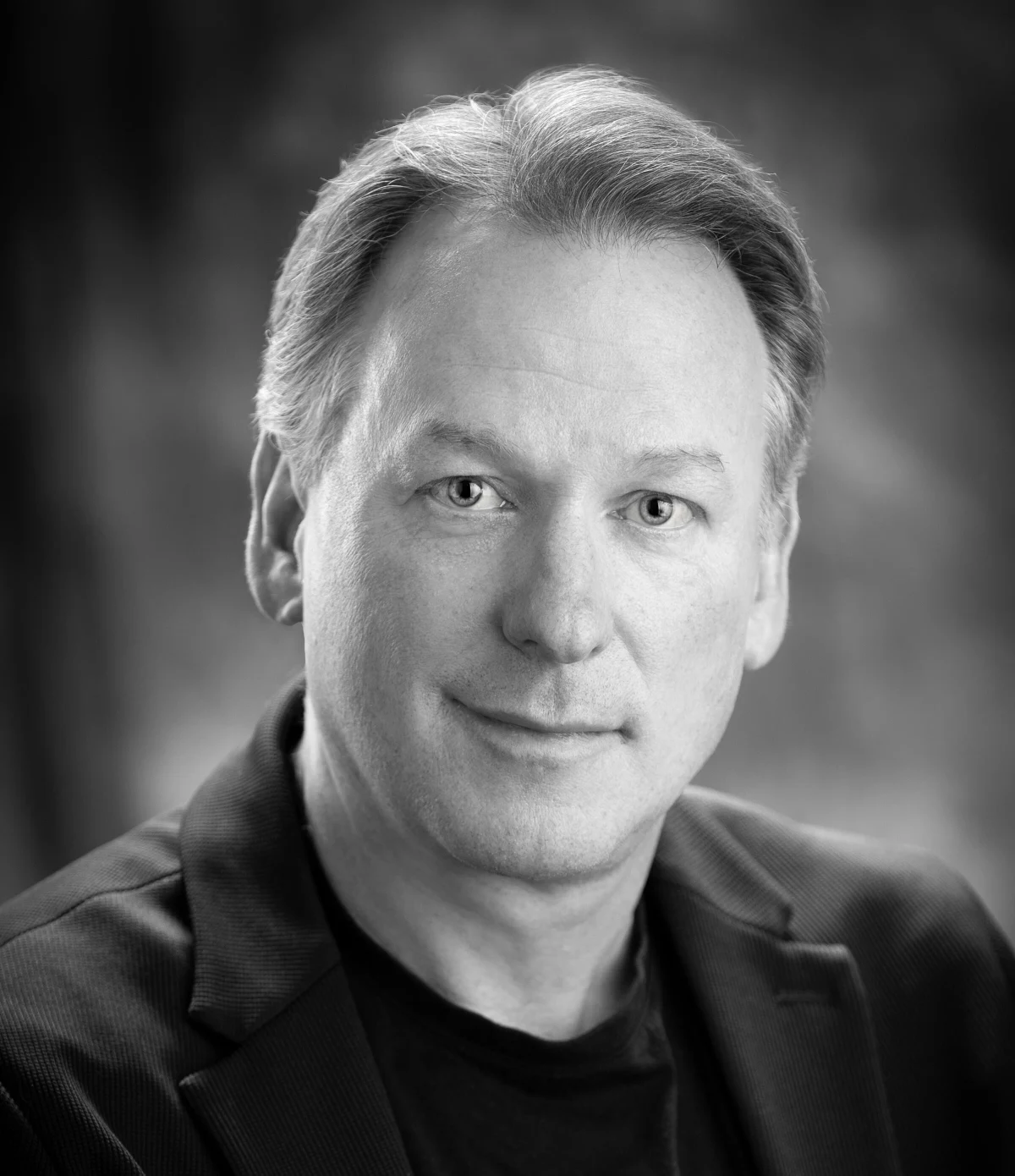
Trinidadian born and Boston-bred, Rudy Hypolite is an independent filmmaker of documentaries projects. Rudy is an American Film Institute (AFI) award recipient and the director and executive producer of the award winning documentary film entitled PUSH: Madison versus Madison. “This Ain’t Normal” is Rudy’s fourth independent feature length documentary.
Dennis Wilson
Co-Producer
Read biography
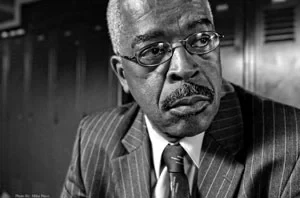
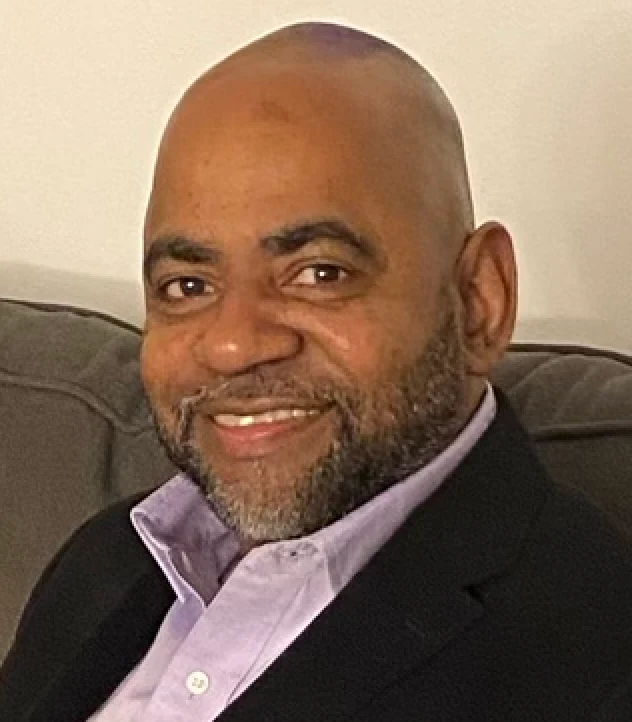
Dennis G. Wilson is a retired Boston High School History teacher and Dean of Discipline for thirty years. Dennis received his Masters Degree in Education Administration from UMass-Lowell. Dennis is a co-producer and the main character in the award winning documentary film entitled PUSH: Madison versus Madison.
Mike Pecci
Director of Photography / Colorist
Read biography
Mike Pecci has made a name for himself as a director and photographer with over 16 years of film, music video, and photography experience. Rudy is one of the few directors that he will jump back behind the camera for: “I love working on Rudy’s films…I’ve been living in Boston my whole life, but on “This Ain’t Normal, it was like I got to see the city I love with fresh eyes, and fall into a deeper appreciation of the people that I call neighbors.”
Malik Williams
Music Composer
Read biography
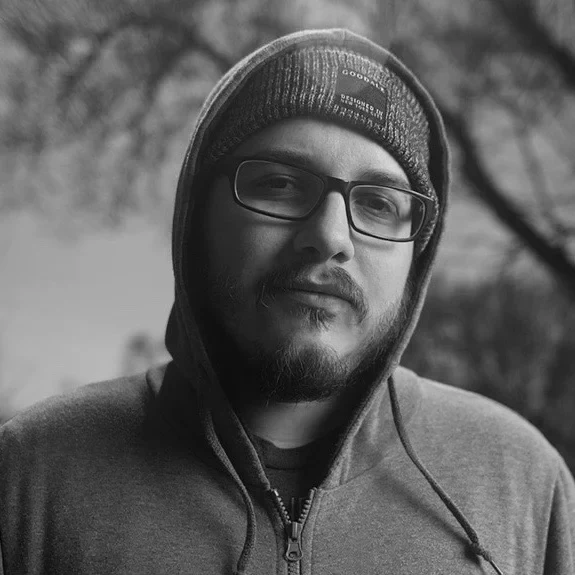
Malik Williams is a platinum selling composer/producer whose work has appeared in records, film, television shows, and in national advertising campaigns. His successful work as a composer, multi-instrumentalist and vocalist, and his ability to work in many different genres, has made Mr. Williams an in demand producer.
Oriel Danielson
Digital Editor / Writer
Read biography
Oriel is a Swedish born, Israeli raised documentary filmmaker. After two years of working on various non-fiction television programs and documentaries in Sweden, he moved with his wife Katie to New York City. Oriel's passion for his work is fueled by a strong conviction to tell compelling stories that focus on important social, cultural and environmental issues.
Brynmore Williams
Primary Camera
Read biography
Brynmore Williams is an award-winning Director and Cinematographer with a passion for telling stories of second chances and new beginnings. His work spans documentary, advertising and TV, but to each he brings his unique visual style and storytelling ability.
Christen Goguen
Social Media and Graphics Consultant
Read biography
Award-winning multimedia producer Christen Goguen is a passionate storyteller. An accomplished videographer, graphic designer, social media manager and consultant, and multimedia producer, she has worked for WBUR (Boston’s NPR news station), PBS Newshour, and Harvard University, among others. She is the recipient of both PRNDI (Public Radio News Directors Inc.) and Edward R. Murrow awards.
David P. Thomas
Distribution Entertainment Lawyer
Read biography
David is an entertainment attorney licensed in New York and Ohio. He received his law degree from Case Western Reserve University. Currently, David represents such luminaries as Academy Award winning producer Veit Heiduschka of Wega Films (Amour). David also represents and advises other film producers, musicians, actors, writers, band labels, playwrights and Tony award-winning Broadway producers as part of his entertainment law practice. David also produces, directs, acts and writes for feature film productions. David resides in Cleveland with his wife and three children.
Tony Fernandez
Second Camera
Read biography
Tony Fernandez has been working as a co-producer at McFarland & Pecci for over 5 years. He has been trained on set extensively as an assistant camera operator/DIT, and on the edit room as both an editor and a digital colorist. Fernandez also comes from a background in improve comedy and is the first guy you want with you on set.
Roger Hypolite, Sr
Read biography
Roger has over 30 years of marketing experience in various business organizations. Roger was born in Trinidad, and later migrated with his family to the USA (Roxbury MA) in the early 70s. With a demonstrated passion and commitment for helping and connecting others, Roger is an energetic and compassionate advocate for several philanthropic causes including youth mentoring and domestic violence prevention. Roger was instrumental in all media outreach efforts for “PUSH: Madison versus Madison”, eventually securing a TV deal partnering with Snag Films.
M. Meredith Westropp
Publicist
Read biography
M. Meredith Westropp is a writer, editor, publicist, educator, professional musician and composer. Previously, she was Vice President for Communications for New Directions, Inc. in Boston and taught Political Science and English Composition at Northeastern University and Political Science at Wheelock College. She earned her B.A. in Spanish from Boston College and holds an M.A. in Political Science from Northeastern University.
Join a screening, meet your community, and bring a new perspective home.
Upcoming
1 EVENTS
NOV182026
Screening
Neighborhood Oasis: Black Resilience — Red-Carpet Premiere
SHOWCASE CINEMA de Lux Legacy Place · Cinema Theater 12 or 13 · 670 Legacy Place, Dedham, MA 02026 (Legacy Place Shopping Center Mall)4:00 PM EST – 7:00 PM EST
By invitation only
Event details
Wednesday, November 18, 2026
Kreateabuzz Documentary Films invites featured guests and KB supporters to an exclusive, invitation-only red-carpet premiere of Neighborhood Oasis: Black Resilience.
Wednesday, November 18, 2026 · 4:00–7:00 pm EST
4:00 pm — Red-carpet gala for featured guests in the film and KB supporters.
4:30 pm — Screening begins, followed by an audience Q&A with the featured cast and crew.
Co-hosted by film director Rudy G. Hypolite and co-producer Coach Dennis G. Wilson.
Black Resilience (90 minutes) is the first film in the three-part Neighborhood Oasis series. Episode II: Chopping It Up. Episode III: By and For Women.
Black barbershops and hair salons in Boston face severe threats from gentrification, the COVID-19 pandemic, and widespread social and political unrest. Despite the cultural impacts and these demographic and economic challenges, the shops remain the vital lifeblood of the community by hosting spirited, humorous and multifaceted discussions that have sustained the Black neighborhood for decades.
RSVP by emailing your KB Team contact or kreateabuzzfilms@gmail.com no later than Friday, November 13, 2026.
This is a closed screening, BY INVITATION ONLY. Other screenings will be scheduled in 2027.
Sponsored by LEF, the Massachusetts Coalition to Prevent Gun Violence, and Kreateabuzz Documentary Films.
Bring the story to your community.Explore hosting a screening at your school, organization, or local venue.